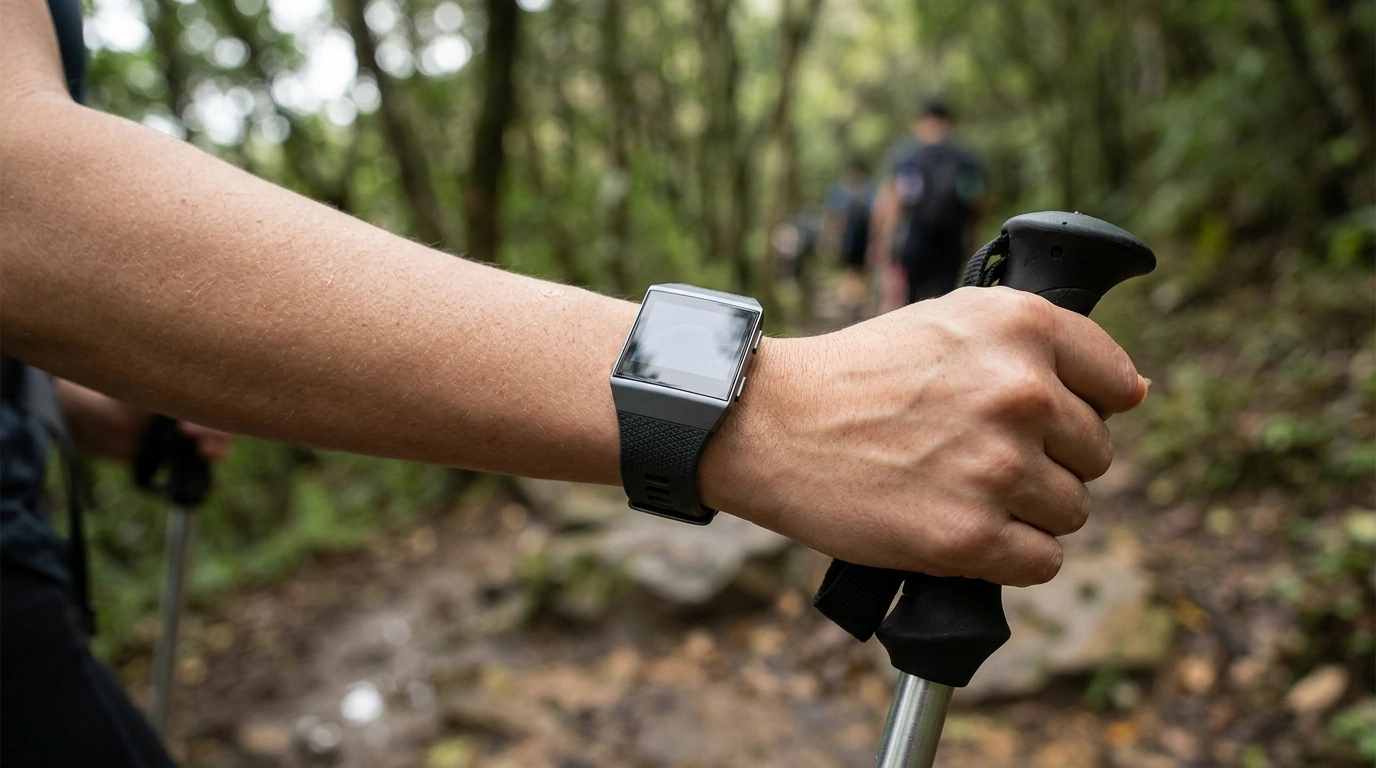
The best wearable device for health tracking is the one you’ll actually wear consistently while giving you the specific metrics you care about most—like heart rate, sleep, activity, recovery, and safety alerts. Our team usually recommends starting with your primary goal (fitness progress, daily wellness, chronic condition awareness, or stress management), then choosing a device that measures that goal accurately and fits your lifestyle (battery life, comfort, durability, and phone compatibility).
If you’re training regularly, prioritize continuous heart-rate tracking, workout modes you’ll use, GPS (built-in if you run or cycle without your phone), and recovery signals like resting heart rate trends. If you’re focused on everyday health, look for automatic activity tracking, sleep staging, and reminders that help you build habits without being disruptive. For anyone who wants peace of mind, features like fall detection, irregular rhythm notifications (when available), and emergency SOS can matter just as much as step counts.
Start with wear time: a lightweight band or slim watch is easiest for 24/7 tracking, especially sleep. Next, look at battery expectations—charging once a week supports better trend data than charging nightly. Then consider sensors and software: optical heart-rate quality, SpO2 support, skin temperature (on some models), and a health app that makes trends easy to understand. Finally, choose a form factor you won’t mind wearing at work, the gym, and overnight.
Worth paying for: comfortable strap options, water resistance for showers/swims, strong heart-rate performance during motion, reliable notifications, and clear data presentation. Often skippable: dozens of niche sports modes you’ll never select, excessive “smartwatch” extras if your priority is health metrics, and bulky cases that make sleep tracking frustrating.
For a more detailed breakdown of device types and what to prioritize for different health goals, visit our guide: https://sparkbx.com/what-is-the-best-wearable-device-for-health-tracking/.
If you want calls, apps, and a larger screen, a smartwatch fits best. If you want lighter, simpler 24/7 tracking with longer battery life, a fitness band is usually the better pick.





Leave a comment