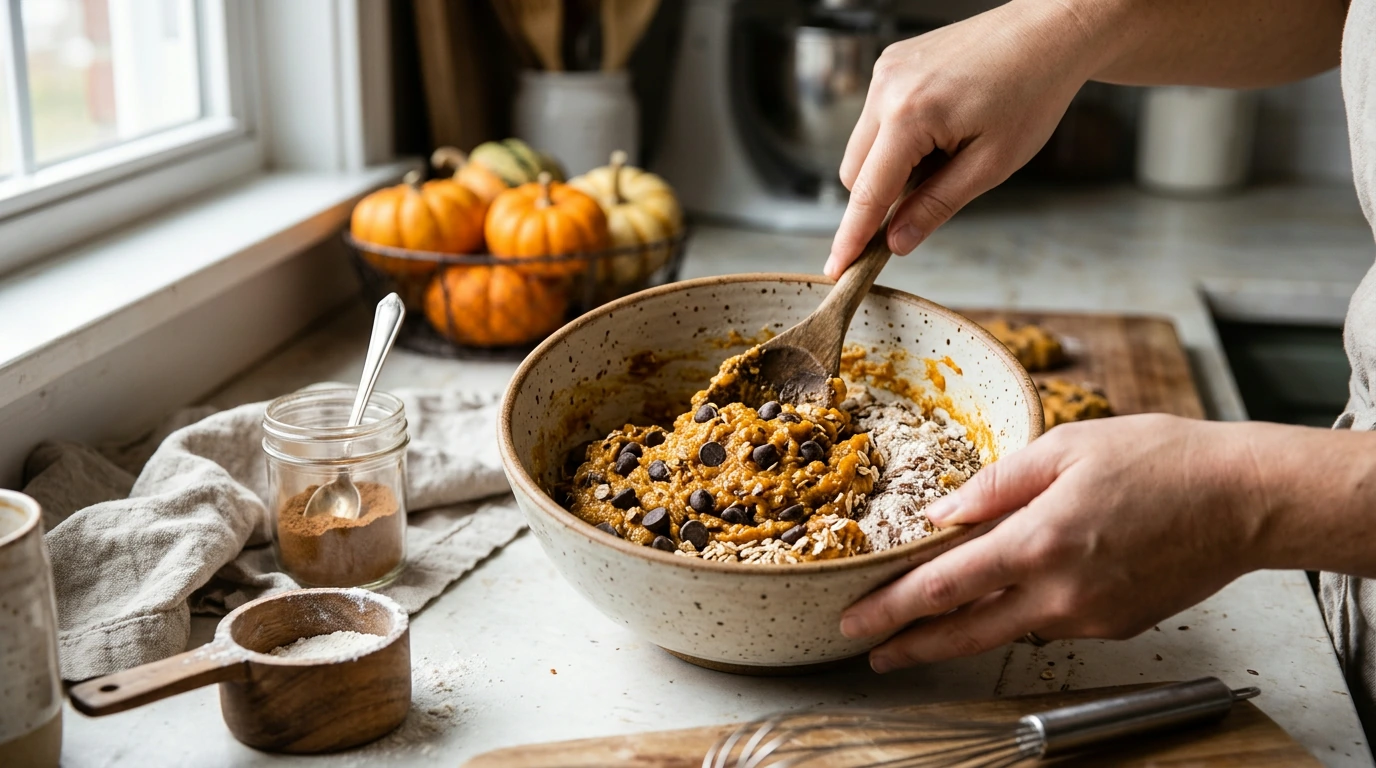
Pumpkin chocolate chip cookies can be a better-for-you treat, but they’re rarely “healthy” in the way a balanced meal is. Most recipes still rely on flour, sugar, and chocolate chips—so calories and added sugars can add up fast. The upside is that pumpkin puree can contribute moisture and a little fiber, which sometimes allows for slightly less oil or butter without sacrificing softness.
If you want a deeper breakdown of ingredients, portioning, and easy swaps, our team put together a full guide here: https://sparkbx.com/are-pumpkin-chocolate-chip-cookies-healthy/.
Pumpkin puree adds volume and tenderness, which can support recipes that use less fat. It also brings small amounts of potassium and fiber, especially when you keep the cookie portion reasonable.
Chocolate chips and sweeteners are usually the biggest drivers of added sugar. White flour can also keep fiber low unless it’s partially replaced with whole-grain flour or oats.
For a more balanced cookie, aim for recipes that use pumpkin as a fat-reducer, include some whole grains (like whole wheat pastry flour or rolled oats), and keep sugar modest. If you’re buying them, check for reasonable serving sizes and shorter ingredient lists you recognize.
Even a well-made cookie is still a dessert. If you want it to fit into your day more easily, keep to one or two smaller cookies and pair them with protein (like milk, Greek yogurt, or a handful of nuts) to make the snack more satisfying.
If you’re watching sugar, prioritize fewer chips or darker chocolate and avoid frosting or glazes. If you need gluten-free, choose a recipe built for gluten-free flour blends rather than swapping flour 1:1 without adjustments.
Use fewer chocolate chips, choose darker chocolate, and reduce the added sugar gradually so the texture stays consistent. You can also lean on pumpkin puree and warm spices like cinnamon and nutmeg to keep sweetness perception high without as much sugar.





Leave a comment